

 By
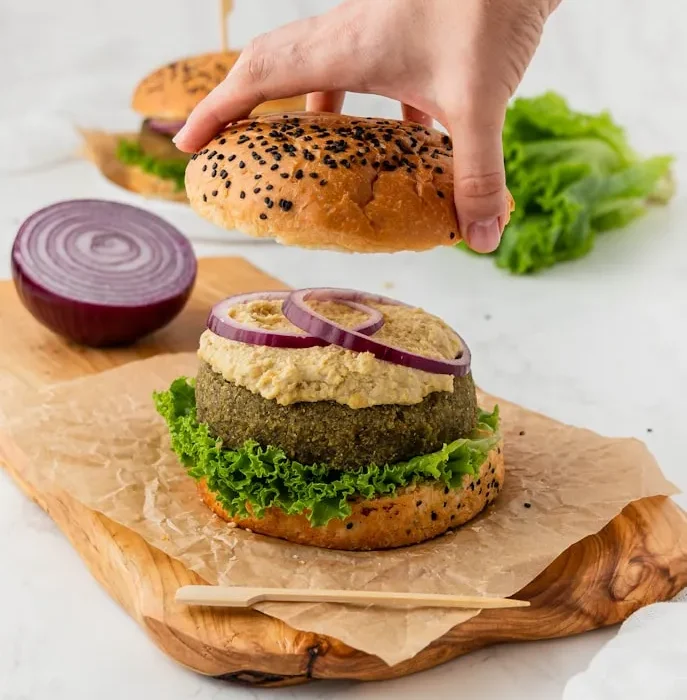
By Vegan burgers are everywhere now restaurants, supermarkets, fast food chains, and home kitchens.
Some people choose them for health reasons, others for the environment, animal welfare, or simple curiosity. But one big question keeps coming up:
Are vegan burgers actually healthy?
The honest answer is: it depends.
Just like regular burgers, vegan burgers can be nutritious and balanced, or highly processed and heavy in salt and fat. This guide breaks down vegan burger nutrition in a clear, friendly, and realistic way so you know exactly what you’re eating and how to make better choices.
🍔 What Is a Vegan Burger?
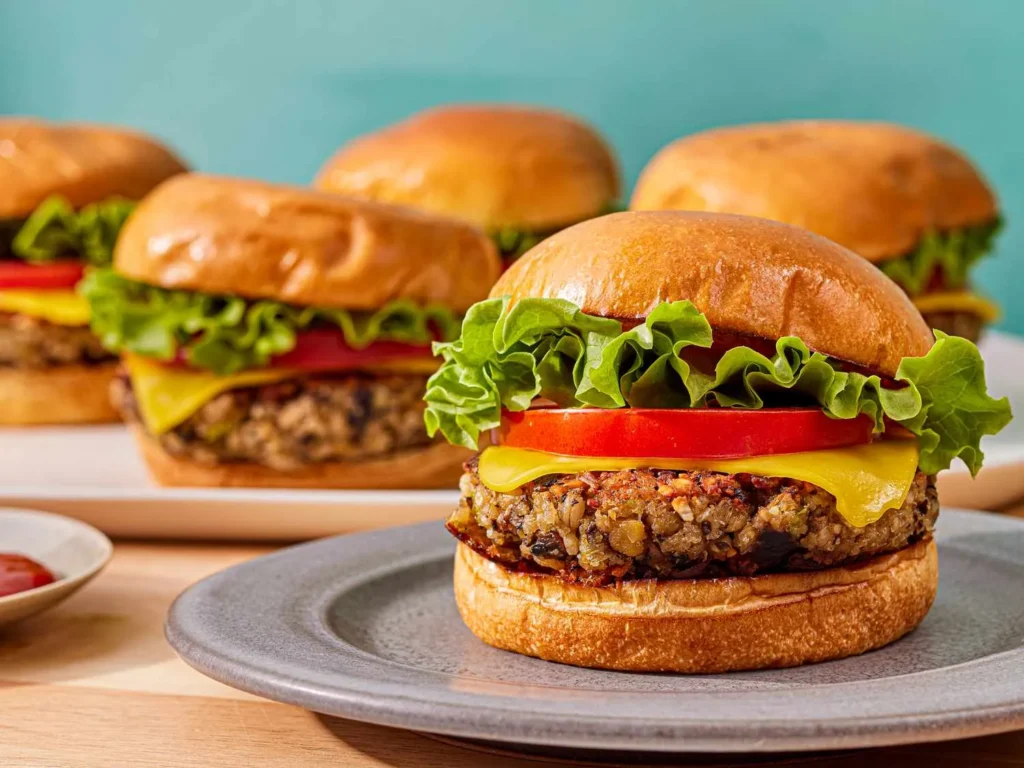
A vegan burger is a burger patty made without meat, dairy, eggs, or any animal products. Instead, it relies on plant based ingredients to create texture, flavor, and protein.
However, not all vegan burgers are created equal. They generally fall into three main categories, each with very different nutritional qualities.
🌱 Types of Vegan Burgers (And Why It Matters)
1️⃣ Whole Food Vegan Burgers
These are made with simple, recognizable ingredients such as:
- Black beans, kidney beans, chickpeas, or lentils
- Vegetables like mushrooms, carrots, spinach, or sweet potatoes
- Whole grains such as oats, quinoa, or brown rice
- Nuts and seeds for texture and healthy fats
Nutrition highlights:
- High in fiber
- Lower in saturated fat
- Fewer additives
- Moderate protein
These burgers are often the most nutritious option, especially for digestion and heart health.
2️⃣ High Protein Vegan Burgers
These burgers are designed to compete with meat in terms of protein content. They often use:
- Tofu or tempeh
- Seitan (wheat gluten)
- Pea protein or soy protein
Nutrition highlights:
- High protein (often 15–25g per patty)
- More filling and satisfying
- Lower fiber than bean-based burgers
These are popular among athletes, gym goers, or anyone trying to meet higher protein needs on a plant based diet.
3️⃣ Meat Style Plant Burgers (Highly Processed)
These burgers are made to look, cook, and taste like beef. They typically include:
- Protein isolates (pea or soy)
- Coconut oil or vegetable oils
- Flavorings, binders, and preservatives
Nutrition highlights:
- Similar calories to beef burgers
- Often high in sodium
- Can be high in saturated fat
- Low fiber compared to whole food versions
They’re convenient and tasty but should be eaten in moderation, not as daily staples.
🔬 Vegan Burger Nutrition Breakdown
Below is a general nutrition range per single patty. Actual numbers depend on brand and ingredients.
| Nutrient | Typical Range |
|---|---|
| Calories | 150–350 kcal |
| Protein | 6–20 g |
| Fat | 5–22 g |
| Saturated Fat | 0.5–10 g |
| Carbohydrates | 10–30 g |
| Fiber | 2–8 g |
| Sodium | 150–800+ mg |
Key takeaway:
A vegan burger can be light and nourishing or heavy and processed. Reading the label makes all the difference.
💪 Protein in Vegan Burgers: Is It Enough?
Protein is often the biggest concern people have about vegan food.
The good news? Many vegan burgers provide enough protein, especially when made with soy, pea protein, or seitan.
Common vegan protein sources:
- Soy (tofu, tempeh): complete protein
- Seitan: very high protein, low fat
- Pea protein: high quality and popular in modern patties
- Beans & lentils: moderate protein with lots of fiber
Even if a single burger doesn’t contain “complete” protein, combining foods throughout the day easily covers your needs.
🧈 Fat Content: What Kind of Fat Are You Eating?
Fat plays a big role in flavor and texture.
Healthier fats in vegan burgers:
- Olive oil
- Canola oil
- Nuts and seeds
Less ideal fats:
- Coconut oil (high in saturated fat)
- Large amounts of refined vegetable oils
Many meat style vegan burgers use coconut oil to mimic animal fat. While plant based, it can raise cholesterol when eaten often.
Tip: If heart health matters to you, choose burgers with lower saturated fat.
🧂 Sodium: The Hidden Nutritional Problem
One of the biggest downsides of many vegan burgers is salt.
- Some patties contain 500 – 800 mg sodium each
- Add buns, sauces, and fries, and sodium adds up fast
Excess sodium can contribute to:
- High blood pressure
- Water retention
- Increased heart disease risk
Solution: Balance salty patties with fresh vegetables and low sodium sides.
🩺 Micronutrients: What Vegan Burgers Provide (and What They Don’t)
🩸 Iron
Plant based burgers often contain iron, but it’s non heme iron, which absorbs less efficiently than meat iron.
✔️ Boost absorption by pairing with vitamin C (tomato, citrus, peppers).
🧬 Vitamin B12
This is critical.
- B12 is not naturally found in plants
- Some vegan burgers are fortified
- Otherwise, supplements or fortified foods are necessary
Skipping B12 long term can cause fatigue and nerve damage.
🦴 Calcium, Zinc, and Magnesium
Amounts vary by ingredients and fortification. Whole-food diets usually cover these over time, but variety matters.
🥩 Vegan Burger vs Beef Burger: Nutrition Comparison
| Category | Vegan Burger | Beef Burger |
|---|---|---|
| Protein | Moderate–High | High |
| Fiber | ✔️ Yes | ❌ None |
| Saturated Fat | Often lower | Often higher |
| Cholesterol | ❌ None | ✔️ Present |
| B12 | Fortified only | Naturally present |
Neither is “perfect.” The healthiest choice depends on ingredients, portion size, and overall diet.
🛒 How to Choose a Healthy Vegan Burger (Label Checklist)
✔️ Protein: 12g or more
✔️ Fiber: 3g or more
⚠️ Sodium: Try to stay under 500 mg
⚠️ Saturated fat: Lower is better
✔️ Ingredient list: Short and recognizable
✔️ B12 fortified: Important for plant-based diets
🥗 How to Make a Vegan Burger Meal Healthier
Small changes make a big difference.
Easy upgrades:
- Use a whole grain bun or lettuce wrap
- Add fresh veggies (lettuce, tomato, onion, pickles)
- Swap mayo for hummus or avocado
- Add fermented toppings like sauerkraut
- Choose salads or roasted vegetables instead of fries sometimes
🏠 Simple Homemade Vegan Burger (Healthier Option)
Black Bean & Oat Burger
Benefits:
- High fiber
- Moderate protein
- Low saturated fat
- You control salt and oil
Homemade burgers may not look fancy, but nutritionally, they often win.
❓ Frequently Asked Questions
Are vegan burgers healthy?
They can be. Whole food versions are generally nutritious, while highly processed ones should be eaten occasionally.
Do vegan burgers have enough protein?
Many do, especially those made with soy or pea protein.
Are vegan burgers good for weight loss?
Some are. Lower calorie, high fiber burgers can support weight control when portion sizes are reasonable.
Do vegans need supplements if they eat vegan burgers?
Vitamin B12 is still important unless the burger is fortified.
🌿 Final Thoughts
Vegan burgers are not automatically healthy but they can be a smart, satisfying, and nutritious choice when selected carefully. The healthiest options focus on whole ingredients, balanced protein, lower sodium, and minimal saturated fat.
Whether you buy them or make them at home, remember this:
👉 The burger matters – but the whole plate matters more.