

 By
By Relatable introduction
I remember the first time I went vegan and tried to recreate my favorite stir fry. Everything was there. The garlic, the veggies, the tofu with crispy edges. Then I tasted it… flat. Something was missing.
That missing piece was oyster sauce.
Traditional oyster sauce adds depth, saltiness, and that savory backbone that ties a dish together. Most vegan versions I tried early on were either too sweet, too watery, or tasted like soy sauce pretending to be something else 😅
After years of cooking at home, testing store brands, and making my own, I’ve learned that vegan oyster sauce doesn’t need to play imitation games. When done right, it stands on its own with rich umami, balance, and versatility.
If you cook Asian style meals, meal prep for fitness, or just want your vegetables to taste amazing, this one ingredient can quietly upgrade everything.
Quick summary
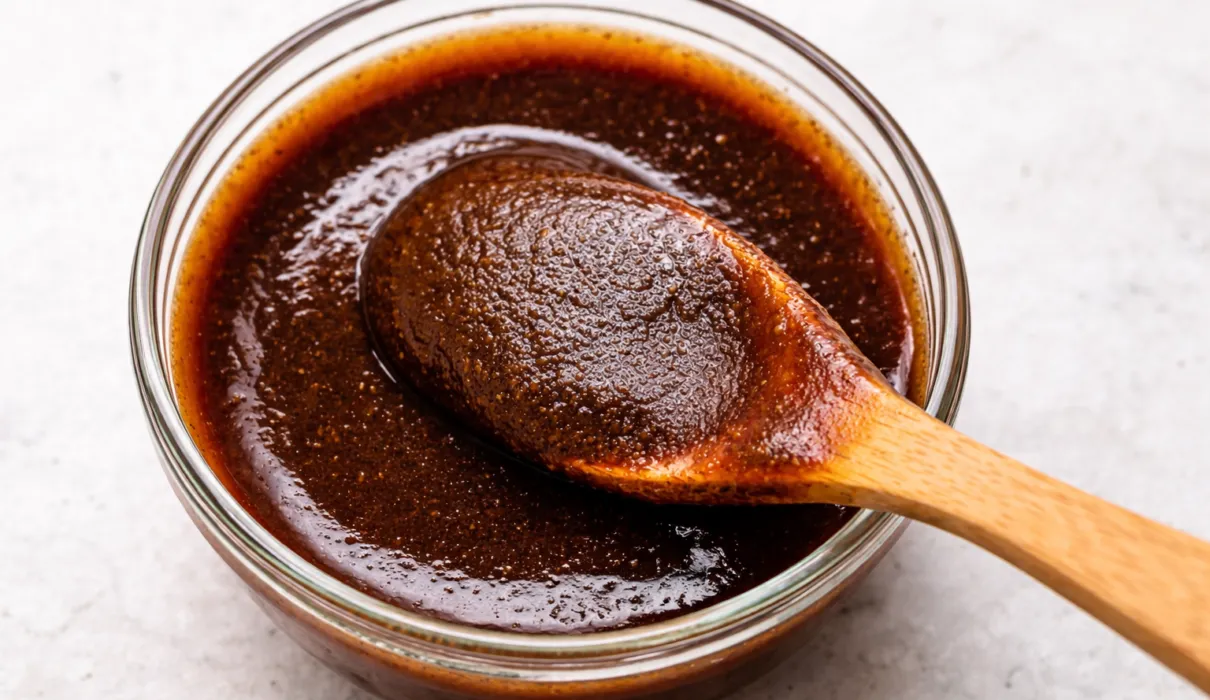
Vegan oyster sauce is a plant based savory sauce usually made from mushrooms, soy sauce, and natural sweeteners. It adds deep umami flavor without seafood. Look for balanced salt and sweetness, or make your own for full control. Great for stir fries, noodles, tofu, and meal prep.
What is vegan oyster sauce really?
Vegan oyster sauce is not about copying oysters. It’s about replacing the function they serve.
Traditional oyster sauce brings:
- Umami depth
- Slight sweetness
- Thick glossy texture
- Salty backbone
Plant based versions usually rely on mushrooms because mushrooms naturally contain glutamates that create savory flavor.
Common base ingredients include:
- Mushroom extract or mushroom powder
- Soy sauce or tamari
- Sugar or date syrup
- Cornstarch or tapioca for thickness
- Sometimes seaweed for extra depth
When these are balanced well, the result is rich and satisfying without tasting artificial.
Why vegan oyster sauce matters in plant based cooking
If you cook vegan meals often, especially Asian inspired dishes, you’ve probably noticed something.
Vegetables and tofu are healthy but they need seasoning to shine.
Vegan oyster sauce helps with:
- Making vegetables taste hearty instead of plain
- Adding depth without extra oil
- Helping tofu and tempeh absorb flavor
- Creating restaurant style results at home
For fitness focused eating, this matters because flavor helps consistency. If food tastes good, you stick with it 💪
I’ve noticed my meal prep stays exciting longer when I rotate sauces instead of changing entire recipes.
Store bought vs homemade vegan oyster sauce
Store bought options
Most grocery stores now carry at least one vegan oyster sauce. Asian markets usually have better options.
Pros:
- Convenient
- Shelf stable
- Consistent flavor
Cons:
- Often high in sodium
- Some brands are too sweet
- Ingredient quality varies
Typical nutrition per 1 tablespoon:
- Calories: 20 to 25
- Protein: 0 to 1 g
- Sodium: 600 to 900 mg
Homemade version
Making your own takes about 15 minutes and gives full control.
Pros:
- Adjustable salt and sweetness
- No preservatives
- Deeper mushroom flavor
Cons:
- Shorter shelf life
- Slightly more effort
If you cook often, homemade is worth it. If you cook occasionally, a good store brand is fine.
Simple homemade vegan oyster sauce recipe
This is the base recipe I use at home. It’s forgiving and easy to tweak.
Ingredients
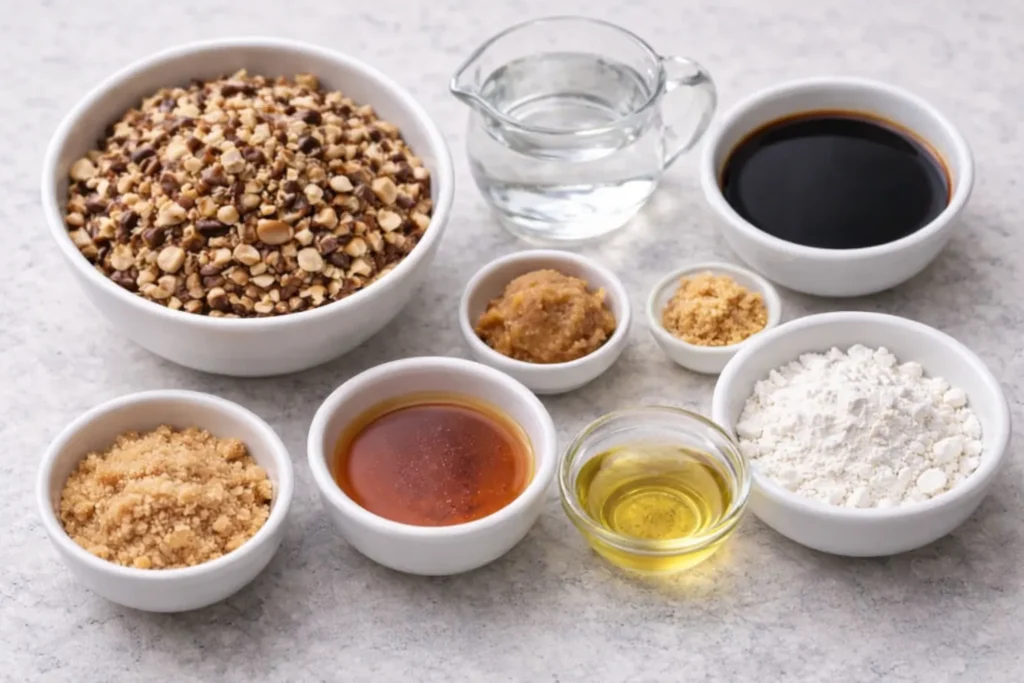
- 1 cup water
- 1 cup chopped shiitake mushrooms
- 3 tablespoons soy sauce or tamari
- 1 tablespoon maple syrup or brown sugar
- 1 teaspoon miso paste (optional but powerful)
- 1 teaspoon cornstarch mixed with 1 tablespoon water
Step by step
- Simmer mushrooms and water for 10 minutes
- Strain the liquid and press mushrooms to extract flavor
- Return liquid to pan
- Add soy sauce, sweetener, and miso
- Simmer 3 minutes
- Stir in cornstarch slurry and cook until thick
Total time: about 15 minutes
Yield: about 1 cup
Store in fridge for up to 7 days.
How to use vegan oyster sauce properly
This sauce is powerful. A little goes a long way.
Stir fry vegetables
Use 1 to 2 tablespoons for:
- 3 cups vegetables
- 1 tablespoon oil
- Garlic and ginger
Add sauce at the end to prevent burning.
Tofu and tempeh
For 200 g tofu:
- 1 tablespoon vegan oyster sauce
- 1 teaspoon soy sauce
- Splash of water
Pan fry first, sauce second.
Noodles and rice
Great for:
- Fried rice
- Chow mein
- Rice noodles
Mix with a bit of water or broth to coat evenly.
Common mistakes people make
Using too much
This sauce is salty. More is not better.
Start small. You can always add more.
Cooking it too long
High heat plus sugar equals burning.
Add it late in cooking.
Expecting it to taste like seafood
Good vegan oyster sauce tastes savory, not fishy.
If it tastes like the ocean, something went wrong.
Ignoring balance
If it’s too salty:
- Add water or vegetables
If it’s too sweet:
- Add soy sauce or vinegar
Cooking is adjustment, not perfection.
Nutrition and fitness perspective
From a fitness standpoint, vegan oyster sauce is a seasoning, not a protein source.
But it helps with:
- Eating more vegetables
- Reducing need for heavy sauces
- Keeping meals satisfying
Compared to many bottled sauces, it’s relatively low calorie.
Example stir fry serving:
- Calories: 350 to 450
- Protein: 25 to 35 g
- Prep time: 20 minutes
Flavor supports consistency. Consistency supports results.
Personal advice
In my experience, learning how to use sauces properly changed my cooking more than learning new recipes.
I recommend mastering two or three sauces instead of chasing dozens.
Vegan oyster sauce became my go to when I wanted meals that felt comforting but still fit my training goals.
I’ve noticed that when my food tastes better, I snack less and stick to my plan without forcing it.
That matters more than perfect macros.
Practical tips you can use today
- Add a teaspoon to soups for instant depth 🍜
- Mix with water to make a light glaze
- Combine with chili paste for spicy dishes
- Use as base for marinades
- Taste before adding salt anywhere else
Small changes add up.
FAQs
Is vegan oyster sauce gluten free?
Some are, some aren’t.
Look for tamari based versions or make your own with gluten free soy sauce.
Does vegan oyster sauce contain MSG?
Some brands do, some don’t.
Mushrooms naturally contain glutamates which create umami without added MSG.
Can I use it as a dipping sauce?
Yes, but dilute it slightly with water or vinegar.
On its own, it’s usually too strong.
Is it good for meal prep?
Absolutely.
It reheats well and keeps flavor after refrigeration.
Final thoughts
Vegan oyster sauce isn’t about pretending to eat seafood. It’s about understanding flavor and using plants intelligently 🌱
Once you stop expecting it to be something else, you start appreciating what it actually brings to the table.
Simple ingredients. Big impact. Better meals.
Stay patient, keep experimenting, and trust that consistency in the kitchen pays off just like consistency in training.